

How can organisations support disabled people through the recruitment process?
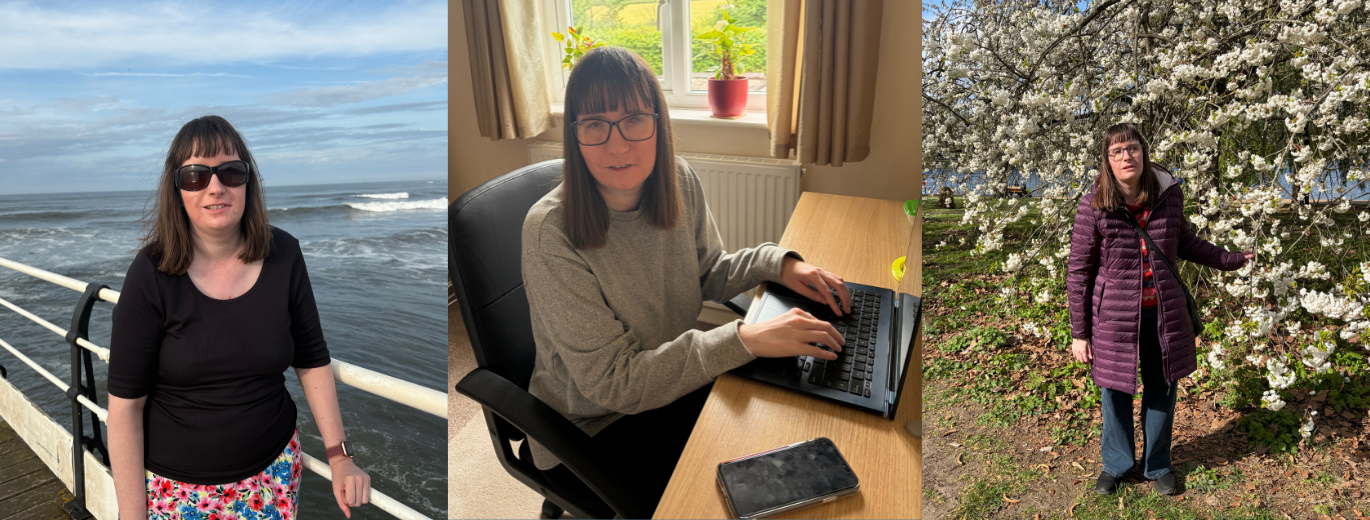
Hi, I’m Holly. I work as a Social Media Manager within the charity sector. I’m also a freelance writer and disability advocate. And I’m registered blind.
I stepped into a manager role within my brilliant team last year – a role I could have only dreamt of. Along with incredible support from those around me, there was one other huge factor to me succeeding throughout the process of applying: the accessible recruitment practices.
Whilst those close to me told me I had it in the bag, I didn’t believe that myself.
I don’t thrive in interviews, thanks to anxiety. The accessibility throughout not only made it an inclusive process, it also eased my anxiety. That’s something I’ll hold on to throughout my career.
The accessible recruitment practices weren’t anything ground-breaking. They were simple, yet tangible actions that every organisation should be taking: an accessible application form, sharing interview questions in advance, and doing the interview remotely. I genuinely believe that played a part in me feeling much more comfortable throughout.
What does accessible recruitment look like, and how can organisations support disabled candidates throughout the recruitment? Let’s explore those further.
What support is important to disabled candidates?
Before we go any further, it’s extremely important to note that what support might be helpful to one disabled person may not be helpful to another. Every disabled person is unique. What organisations can do, is embed accessibility right from the hiring stage. This will help disabled candidates feel far more welcome, included and able to give the process their all.
There’s easy, yet practical things they can do that make a real difference.
Make sure application forms are accessible
One of the most important places to start is with the application itself. If application forms aren’t accessible, then disabled people are locked out of applying for roles in the first place. Not only does this exclude disabled people, it also means that organisations are missing out on potential talent.
If a candidate cannot complete the application form independently because the form doesn’t work with assistive technology like screen readers or magnification software, or presents challenges along the way, there’s a problem before they even have the chance to show what they can do.
Organisations need to ensure application forms are compatible with assistive technology, give plenty of time for completion, and provide alternative submission methods.
It creates a far more welcoming environment from the offset.
Be open to reasonable adjustments
Reasonable adjustments don’t just happen when someone has got the job. Being open to these conversations at the earliest opportunity gives disabled people the feel that they can be open with you about what they need in return.
It sends a powerful message that an organisation truly cares.
Offering alternative interview tasks
Many of us have had a job interview where we’ve taken far longer than needed on an assessment than what we should have. For disabled candidates, a large chunk of that time is because of a lack of accessibility
For some disabled people, pre-interview assessments or presentations may present more challenges. The result? They can’t put their best self forward.
That’s why it’s important to offer alternative assessments, and be flexible in how candidates can complete these tasks.
This might include extending deadlines, or offering alternative formats.
Offering interview questions in advance
I know, I know, this one divides opinion. But if there’s one accessible recruitment practice I’d encourage organisations to consider, it’s sharing interview questions in advance.
For me personally, this made a huge difference at interview, compared to when I didn’t have it. It allowed me to think much more strategically about my answers and took away a lot of panic.
Some organisations worry that it gives people an unfair advantage. In reality, it allows people to prepare more effectively, present themselves in the best possible way, and communicate their skills more clearly. It’s a win for everyone.
Taking away the pressure creates a much happier interview environment for the candidate and interviewer, and organisations are far more likely to feel happier with what they’ve seen.
The importance of accessible information
Now that we’ve covered the practicalities of accessible recruitment, I want to touch on some of the nuanced topics that are equally as important.
Something I always want to know as a disabled candidate is how an organisation supports disabled employees once they’re in the role. Do they offer flexible working? Are they open to discussing reasonable adjustments from the beginning? Are they aware of the Government’s Access to Work scheme? These are all questions disabled people want to know.
Knowing whether an organisation truly values accessibility and inclusion gives disabled candidates that comfort blanket when applying for a role. It also gives us confidence knowing that we’ll be supported should we be successful.
For disabled people, it can be the difference between feeling like we’re going to belong in an organisation versus questioning whether we’re taking a risk.
Openness speaks volumes.
Accessibility isn’t a tik-box exercise
Far too often, accessibility can be viewed as a tick-box exercise, or a reluctance to be compliant. For disabled candidates, it dictates the recruitment process.
Accessible recruitment is about ensuring that everyone has a fair, equal opportunity, removing barriers, and allowing everyone the chance to show their skills and talent.
When organisations invest in accessibility and value disabled talent, everyone benefits. The workforce is much more diverse. Disabled people have the experience they want, and deserve.
Accessible recruitment is often simple practices which makes the biggest difference. The adjustments that I’ve received when applying for roles and maintaining employment have allowed me to gain experience and further my career. They’ve helped me focus on what I can bring to the role, rather than worrying about having the door shut because there’s barriers in the way.
Disabled people have countless talent and skills to offer. They will be a valuable member of any organisation. All we’re asking for is the chance to show that.
If you’re an organisation looking to recruit, make sure your processes are accessible to supporting disabled applicants.
You’ll open doors, create opportunities and take steps to strive towards a better, inclusive organisation.